

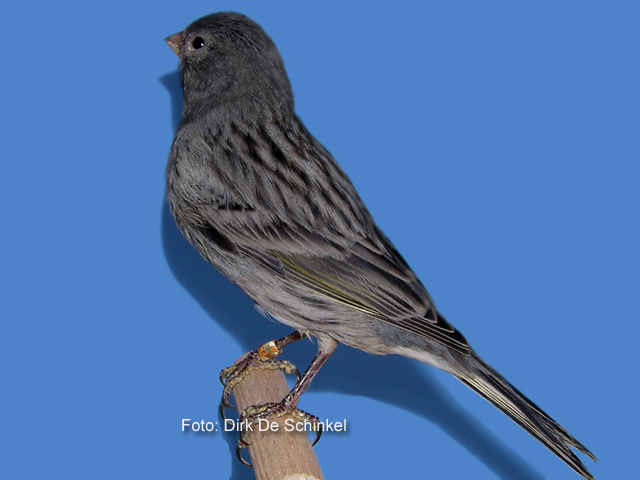
Colour Mutations ·
That incalculable blue factor
That unpredictable blue factor. Which colored canary breeder does not know this factor? Who doesn't work with it, who isn't confronted with it, who doesn't use it? In short: this …
Phenotypes and their origins
120 articles
That unpredictable blue factor. Which colored canary breeder does not know this factor? Who doesn't work with it, who isn't confronted with it, who doesn't use it? In short: this …
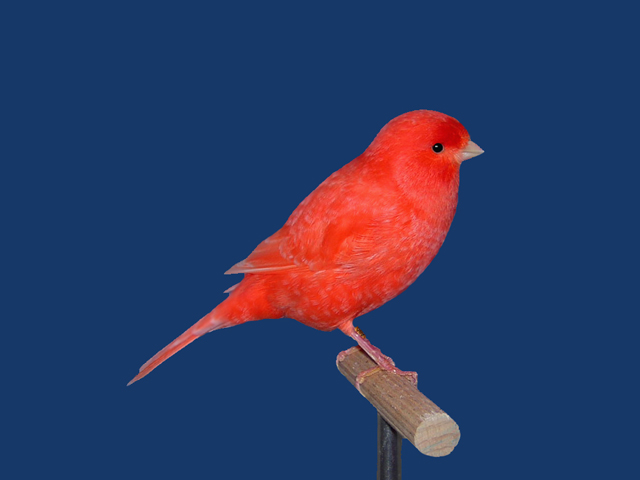
PERFORMANCE OF RED-FACTORY CANARY BIRDS INTRODUCTION Much has been written and discussed about the red-factored canary. There are supporters and opponents, and the same comments keep popping up: "These are …
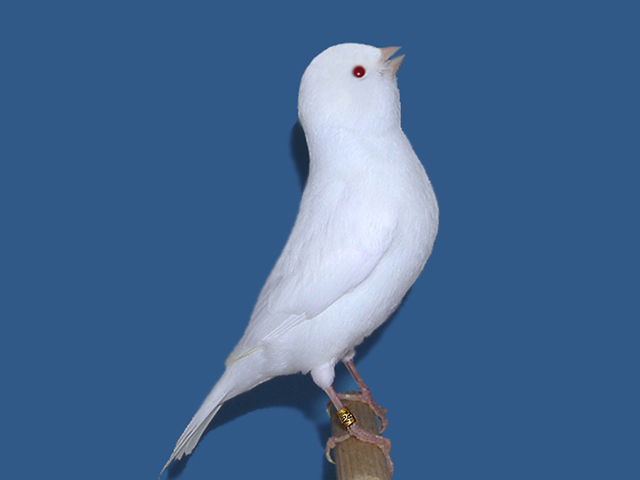
The albino. The albino in the attached photo is in reasonably good shape, although the slight dip in the neck is noticeable. The feathering also leaves much to be desired: …
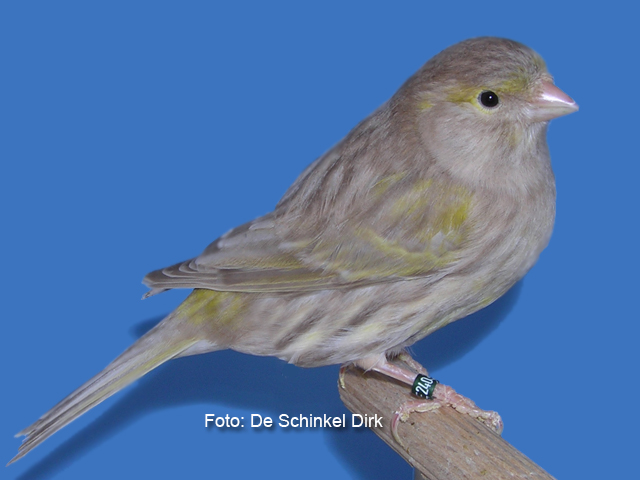
The Onyx — GENERAL With this mutation, the brown phaeomelanin is prevented from developing. This causes the eumelanin to become slightly matt, but a darkening occurs in the dorsal triangle …
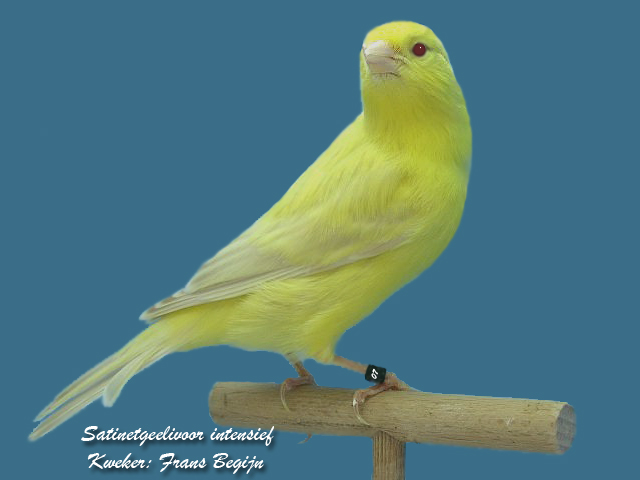
Satine yellow intensive. — This color range is created by the combination of the satin factor with the full intensive factor. The bird must have beautiful, fine, short and narrow …
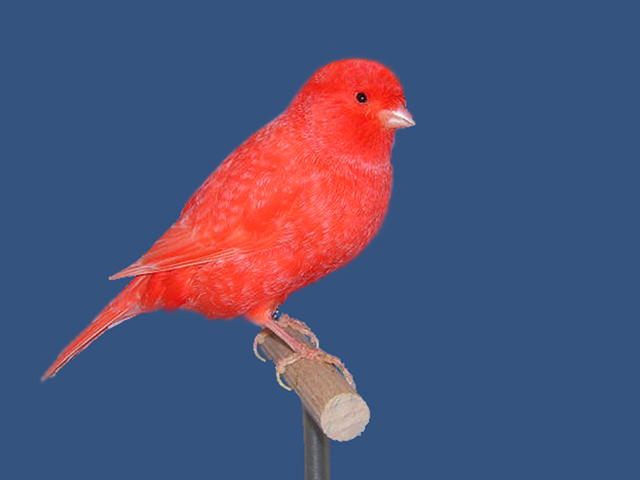
The red roan (formerly the salmon canary) — I have been breeding red grizzles for almost 25 years — or were they salmon? I can therefore say that I have …
PROMOTION OF RED FACTOR CANARY BIRDS Introduction. Much has been written and spoken about red-factored canary birds — with proponents and opponents. The discussions concern their naturalness and whether it …
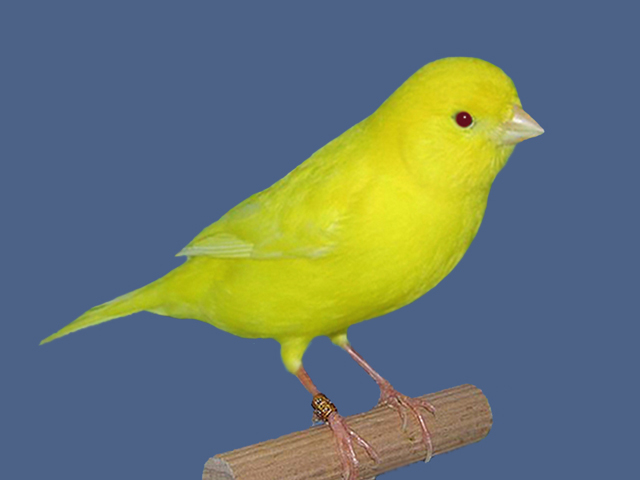
It's not just color and drawing that counts! — W.v.Gils With color canaries, all breeders know how to discuss color and markings — the things that determine the beautiful overall …
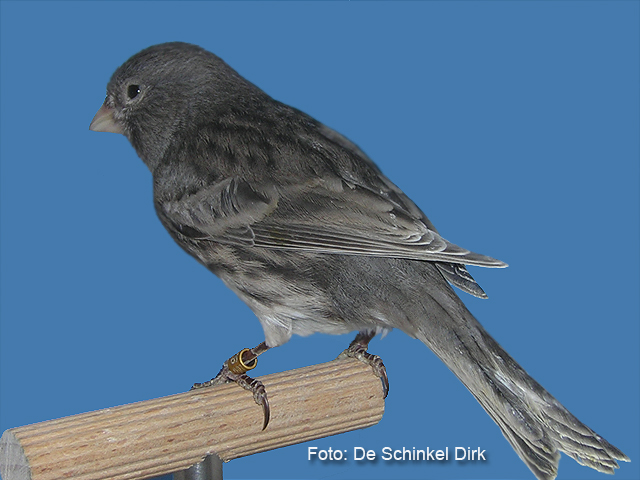
THE ONYX. General. With this mutation, the development of brown phaeomelanin is hampered, causing the eumelanin to become slightly duller. However, a darkening occurs in the dorsal triangle (between the …
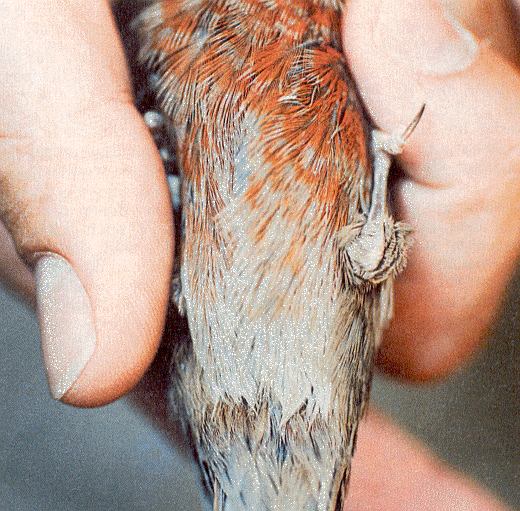
New to the color canaries: the Cobalt factor? "Never heard of it" — you will certainly say that when reading this inscription, and rightly so: the term "Cobalt" has never …
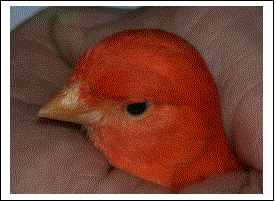
Red canary bird with red horn parts — what now? — I've heard about them for a while, but now I also have photos of these birds — and I've …
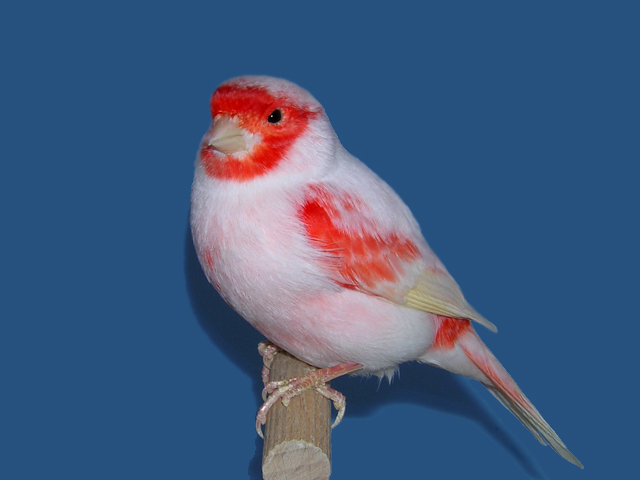
Perennial mosaics. At the last general meeting for color canary judges in Roosdaal on May 12, 2001, the problem of pen coloring in perennial mosaics was extensively discussed. There were …
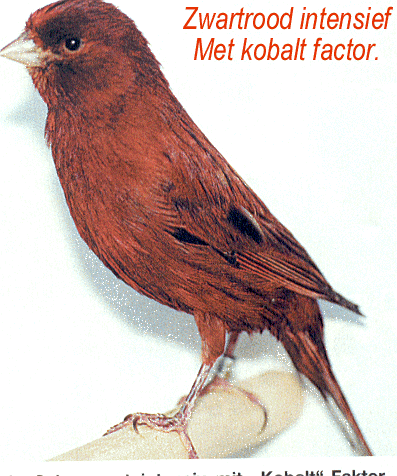
New to the color canaries: the Cobalt factor. F. Heiler. “Never heard of it” — that will be your first reaction when reading this inscription, and that is entirely justified. …
Color canaries divided into two main groups Colored canaries are classified into two main groups: Unpigmented canaries (fat color or lipochrome): The color is determined by the presence of lipochrome …
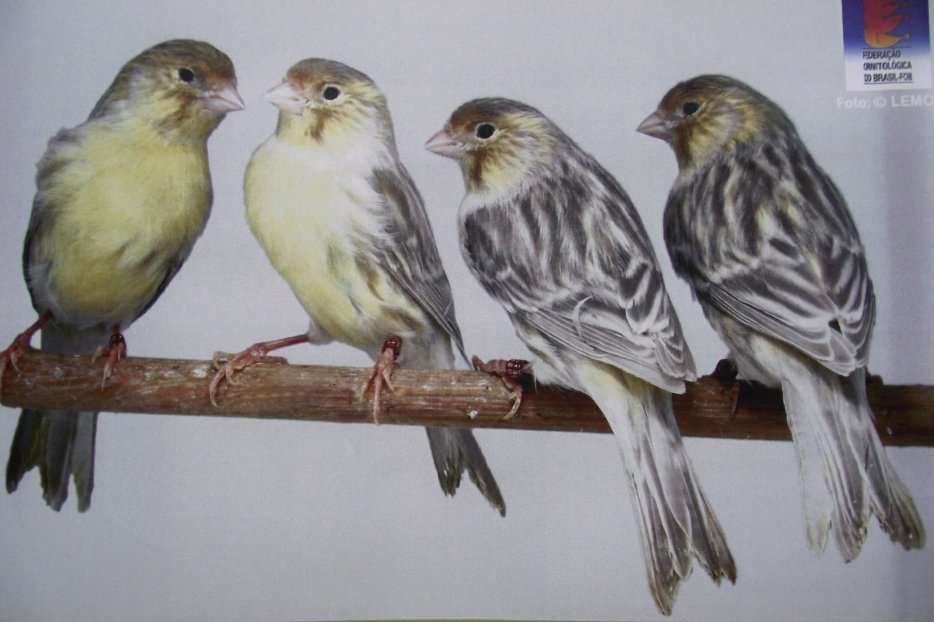
Latest 'mutant' in the brown series (Brazilian origin) — the MOGNO (mahogany). See report. From opal, to quarto, to mogno? When Darwin discovered that isolation led to divergent evolutions, he …
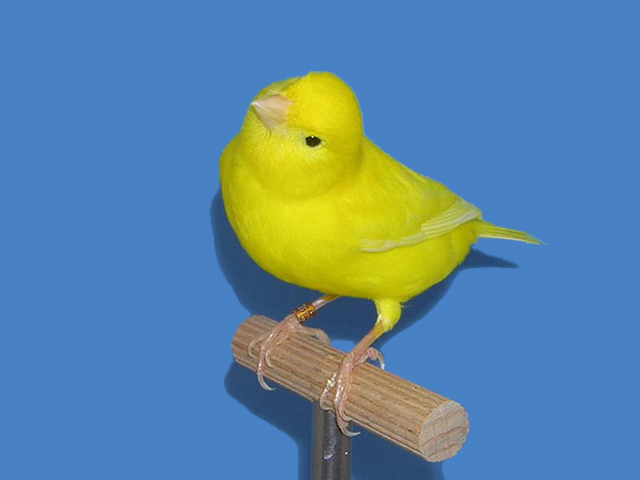
Yellow ivory intensive This type requires a deep, even and pure ground color (lemon), no mold formation in the intensive specimens and no fur formation in feathers or horn parts. …
Tip 16: make your own color rings Color rings can be purchased at most bird supply stores, but you can also easily make them yourself. Buy a jar of iron-on …
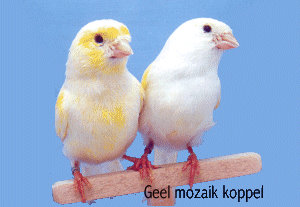
When breeding you have the choice between breeding mosaic dolls (type 1) or mosaic men (type 2). The mosaic factor has a capricious inheritance form, which most breeders are now …
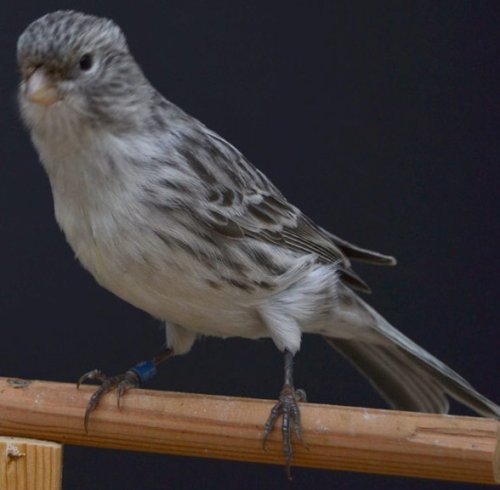
Quarzo — new mutant? (phenotype) Johan van der Maelen — Chairman TC Kleur A.O.B.: Frans and friends, I also own a black quarzo for some analyzes (see image). For now, …
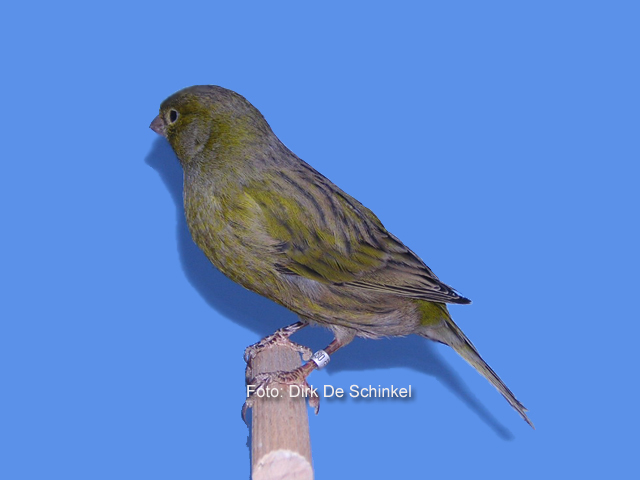
Oddity with Italian cobalt Last summer I encountered a strange problem. I paired a black-yellow cobalt with a black-yellow cobalt and bred two litters of young ones. To my surprise, …
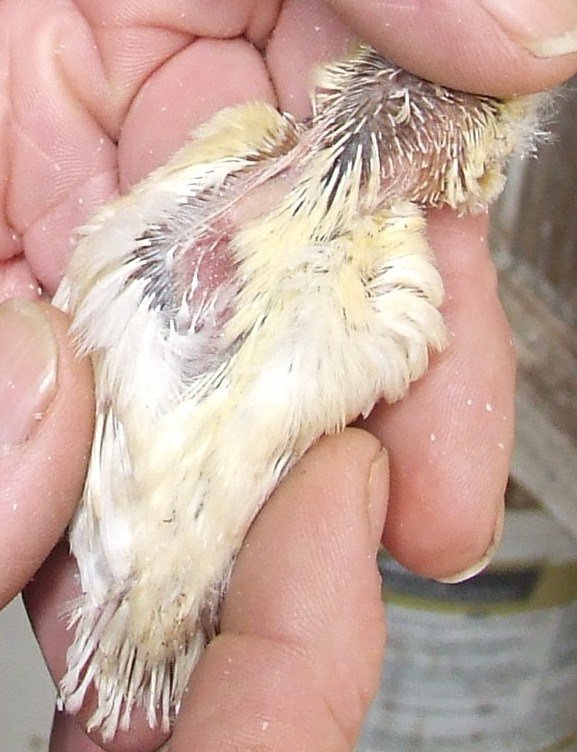
Exploration of a new mutation named 'Beryl' During a visit to the Diamond Bird Show in the new event hall 'De Populier' in Zandhoven (B) on Saturday, October 13, we …
Breeding Red Canaries - Submitted article I share an article for rearing red canaries: take a 500 gram jar of Red Intensive and mix in 100 grams of Canthaxanthin. Add …
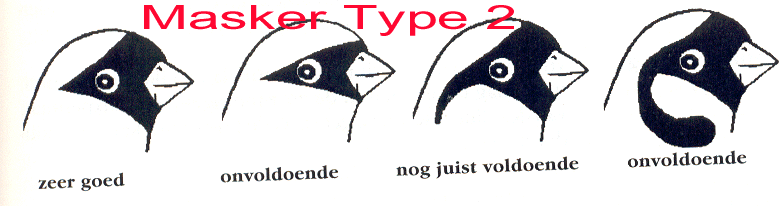
Mosaic Bird Breeders, For a beautiful wing pattern, it is best to pluck out the three small feathers of the wing when the birds are 3 weeks old. These feathers …
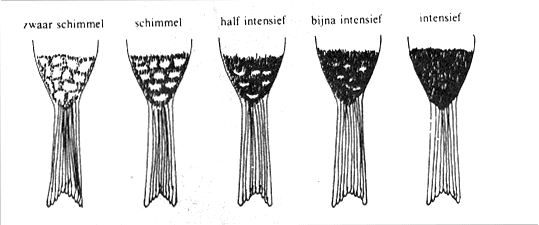
Gradations in Mold and Intensive. Highly intensive: Bright, deep color, small stature (compared to an equally large Gray bird), sparse feathering with usually open spots such as an eye stripe. …
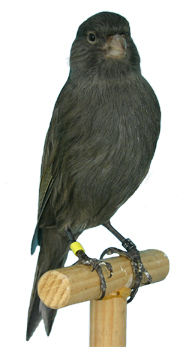
The Konyx, a new color that has not yet been recognized by our color canaries Combining different factors and/or mutations in one bird has been going on for years. As …
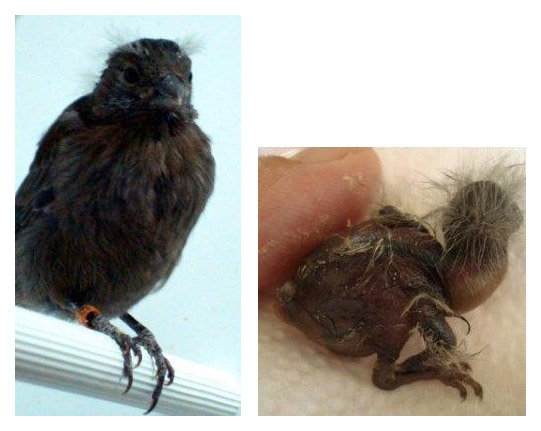
The Albino By introducing the ino or satin factor we get birds with red eyes. Depending on the ground color, they are called albino (white), lutino (yellow) or rubino (red). …
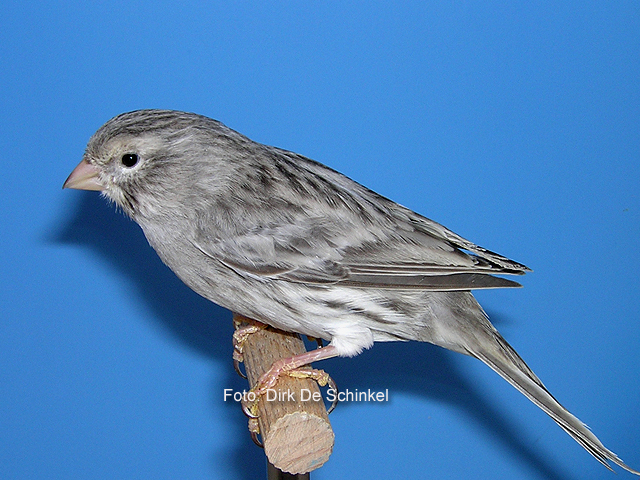
The Onyx – Part 19 Preliminary advice about the onyx. (Today a completely new standard has been drawn up for this. If you want to continue with these birds, it …
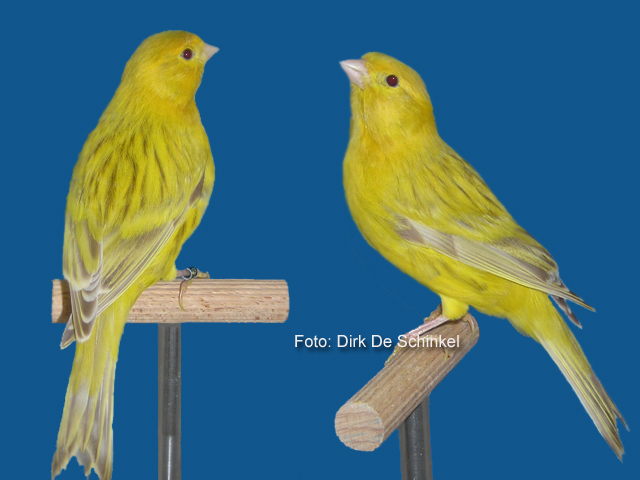
The Eumo. Part 18. The eumo factor originated in van Haaff around 1982, and was therefore called the "van Haaff mutant" for a long time. In 1991, several committees decided …
The Topaz Factor — Part 17. The topaz factor is said to have originated and developed in France, from black-red phaeo. The name, just like opal, refers to a type …
The Satin Factor: Part 16. The Satinet is a beautiful mutation for which not everything has been said and written yet. Currently it is not yet certain whether the Satin …
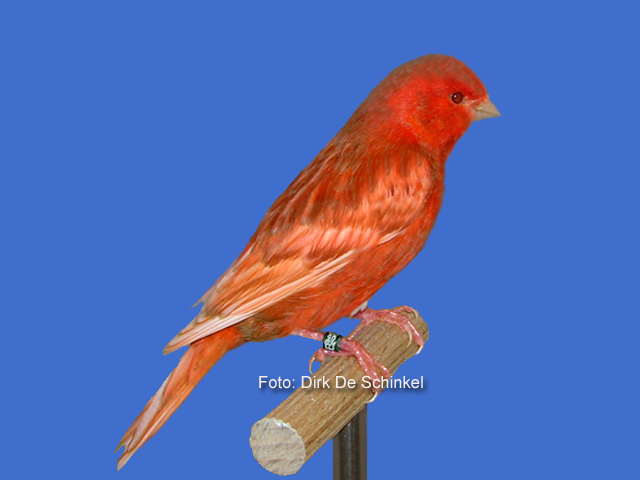
The phaeo or ino factor: Part 15 The ino or phaeo factor acts mainly on ALL eumelanins; so all the brown and black eumelanin is pushed out of the appearance …
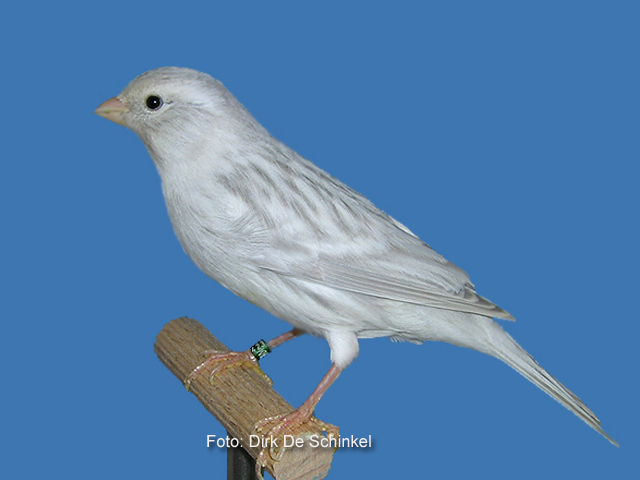
The opal factor. Part 14. Compared to the beard cross-section of a classic feather, we see a completely reverse melanin location in the opals. Opals wear their "jacket" inside out. …
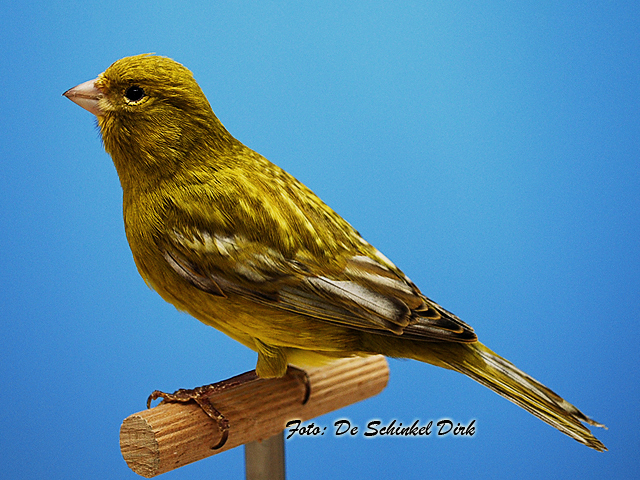
The gray-winged factor. Part 13. The gray-winged factor is usually found in birds from the black pastel series. We also sometimes see bleached flight feathers in agate pastel, which is …
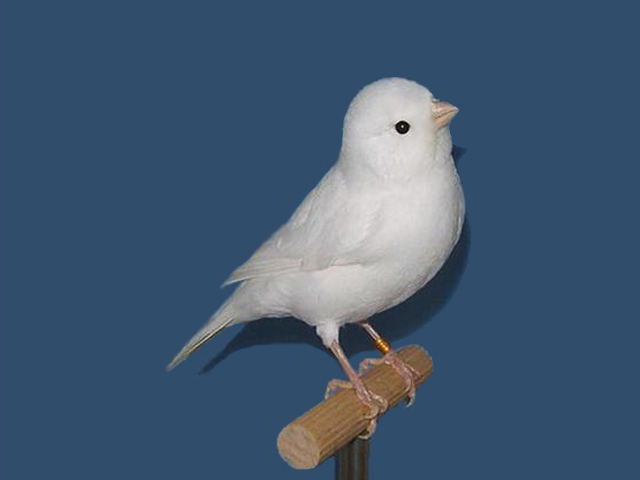
Recessive white (English white) Part 11a. The recessive white or English white factor produces completely white birds, caused by the complete carotenoid-inhibiting factor cb. The eyes here are black to …
THE FAT COLORS - Part 10. Fatty colors determine the ground color of our color canaries, ranging from yellow to red. As previously discussed in relation to pigment formation, according …
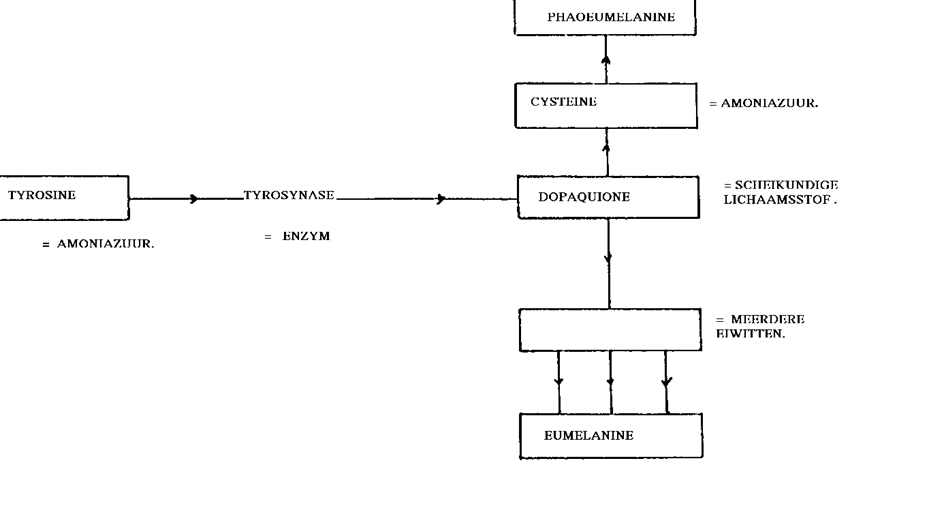
PIGMENTATION. Part 8. A. Melanin. In order to be complete and to better understand the changes in melanin content in colored canaries, we are obliged to delve a little deeper …
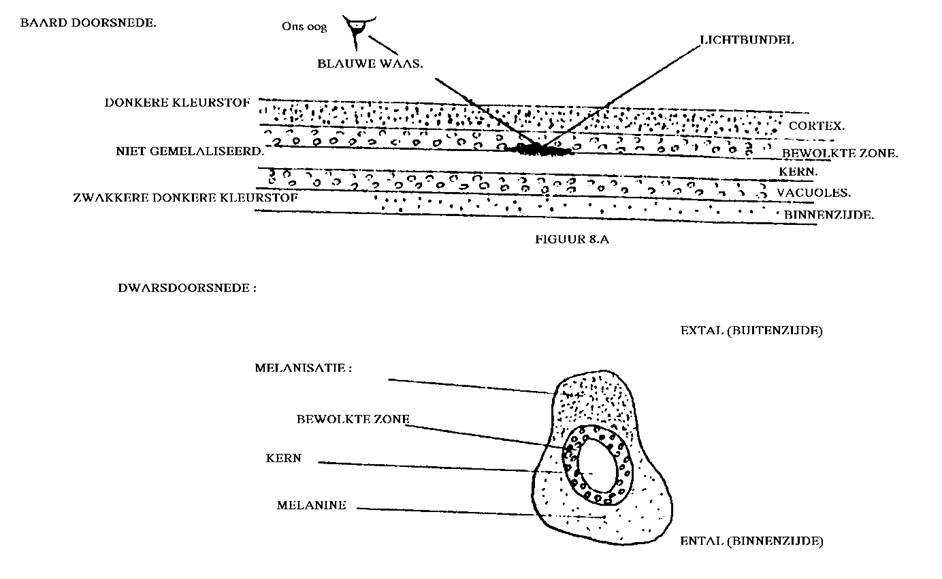
THE CLASSIC BLUE FACTOR. Part 7. This factor, also called lemon factor or "optical factor" or simply "blue structure", mainly causes a "structural change": the beards of the feather, especially …
From where the urucum ?: Brazil introduces a new mutation, they call it "the Urucum ". Urucum stands for "red beak". The Urucum is a Brazilian plant with red/pinkish colored …
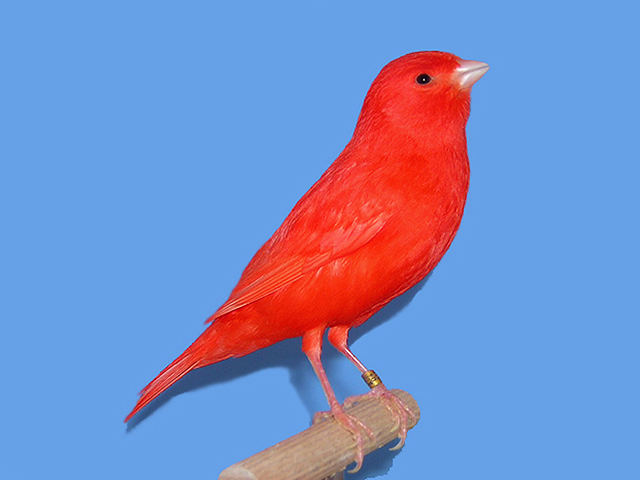
Red performance canary birds: Submitted.. 12 grams per kg of egg food. Add 3 grams of Spirulina, very good for good coloring. Method of preparation: Mix 6g and 3g Carofyl …
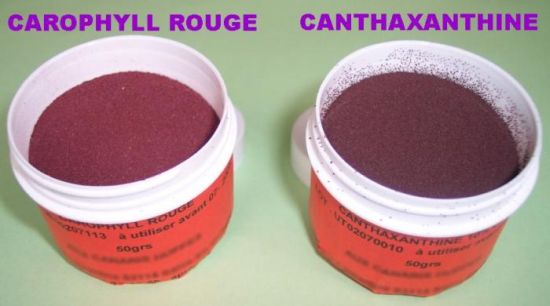
Water soluble - highly concentrated . (submitted) Determines the color value of your red-faced canaries. The yellow or red plumage of birds is caused by the possession of so-called fatty …
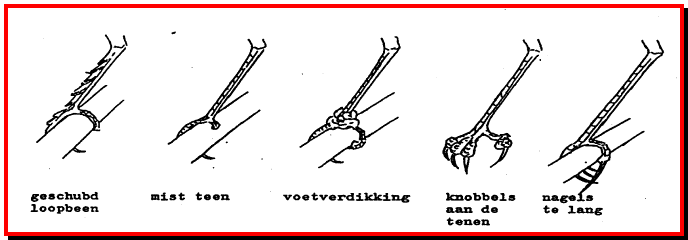
Faults on the horn parts of Canary Birds: Wout van Gils In general there is not much to report about the horn parts of our canary birds, they are not …
Colour in our color canaries. Introduction: Most canary breeders know all too well what is meant by colorfulness, especially our breeders and exhibitors are sometimes confronted with it. Whether they …
The Azul factor. There has been a lot of talk about the azul factor lately and all kinds of opinions are expressed. I have determined the following experimentally. Azul birds …
De konyx, een nieuwe nog niet erkende kleur bij onze kleurkanaries By Stef Smeets @ IMG0
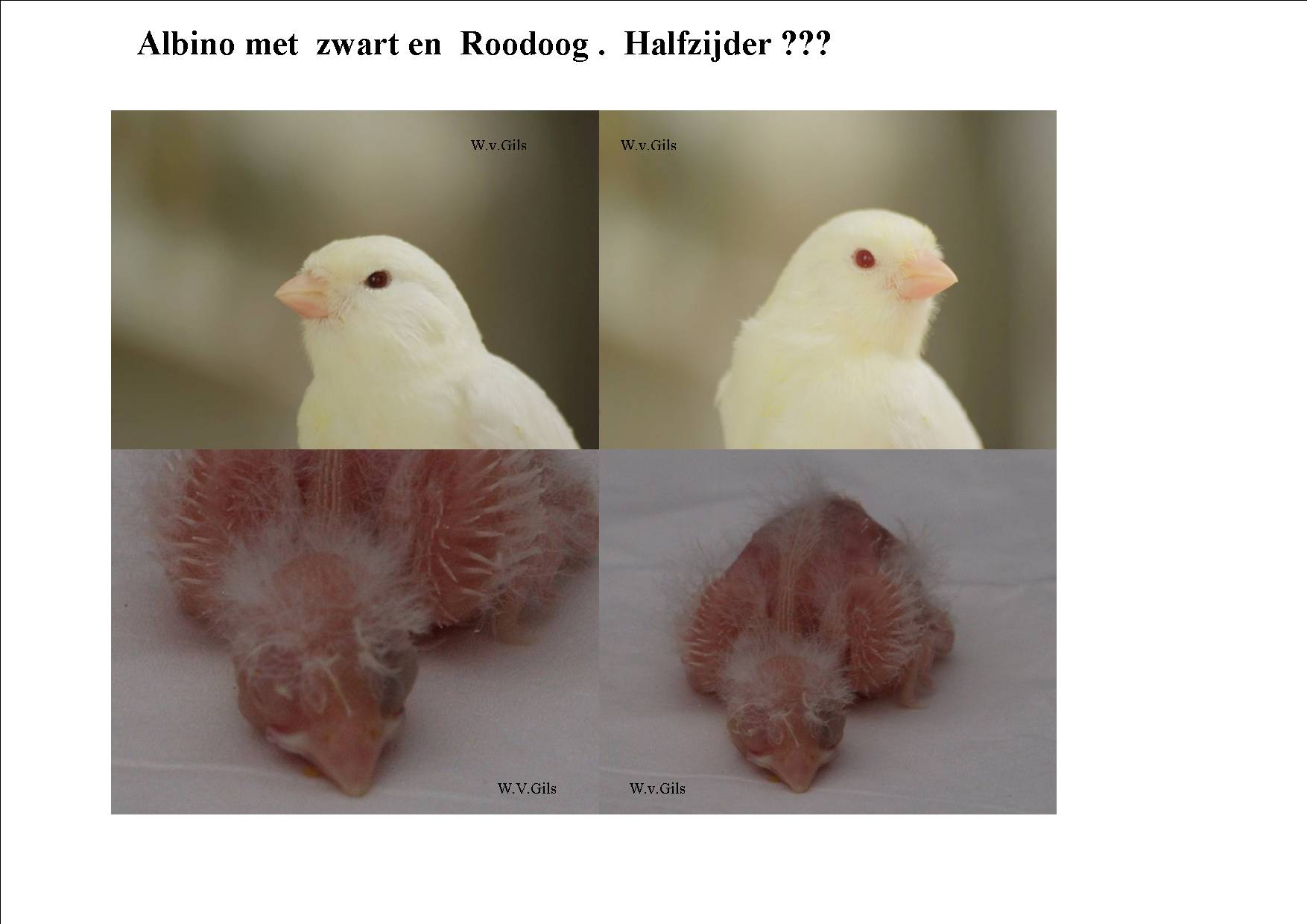
Canary (Albino) with Black and Red eye! Cultivation result W.v. Gils... On May 20, 2009 I did a nest check, of the four eggs, 2 had hatched, what I immediately …
Red canary bird with red horn parts, who knows anything more about it? Since I have heard about them for some time, I now have photos of these birds and …
The Phaeo. Wout van Gils The accompanying photo shows, it can certainly be said, a very beautiful and good bird in all respects. A beautiful whole, very nice even Phaeo …
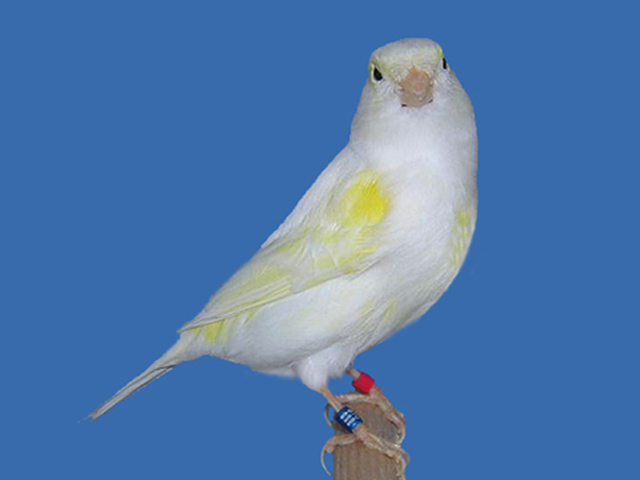
YELLOW MOSAIC TYPE 1. Wout van Gils. Header: Eye stripe shortly behind the eye on both sides of the eye. Must be narrow and well defined (no glasses). Should not …
DE WIT Recessive. Wout van Gils. Bright very pure white bird. Secondary characteristics play a major role in the assessment of these birds, much more than with any other color …
THE RED INTENSIVE. wout van Gils. Must have a deep, pure and even red color. Normally intensive, without mold spores. Well colored pens. Coverts fully colored. No melanization in the …
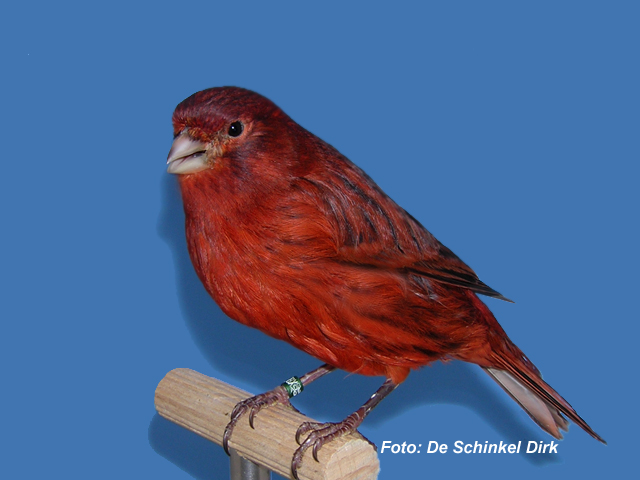
THE BLACK RED INTENSIVE. Wout van Gils. The whole as dark and shiny as possible. Heavy, uninterrupted, well-defined black stripes on the back and flanks. The melanization in the pens …
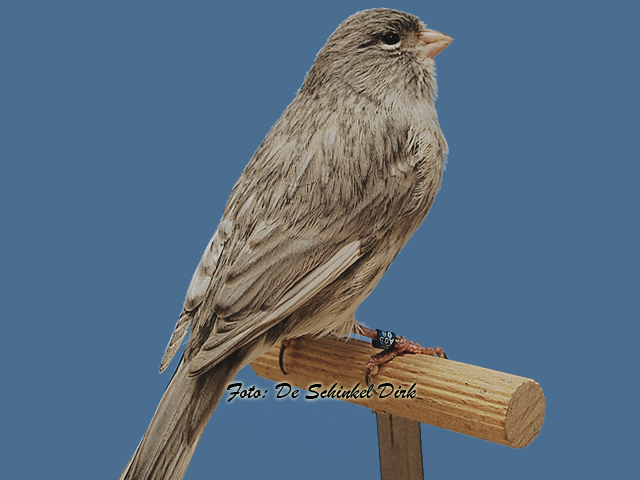
***IMG0__ ** New Mutation: The JASPE. Wout van Gils During the fantastic show Vvnk Mechelen 2006, a number of mutations were also registered. After my inspection I went to see …
Color canaries: Light red beak (horn parts) J van der maelen The origin. We have been able to admire these birds at the shows in the south for 2 years. …
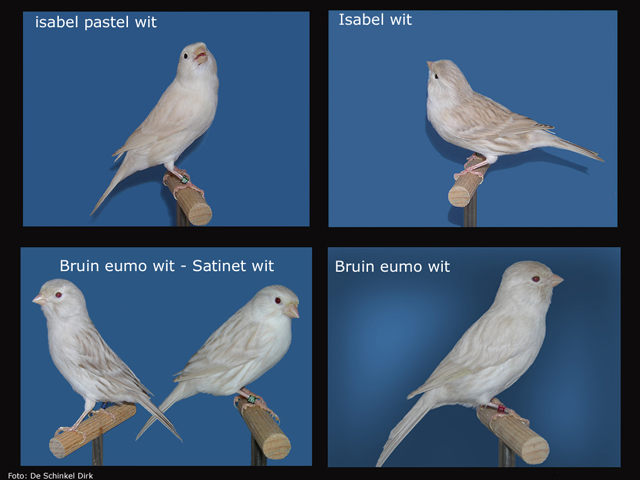
Various features of: AGATE PASTEL – TOPAZE – EUMO. 1 st reduction factor : Maximum Eumelanin – Reduced Pheaeo melanin. Pastel Factor: + Eumelanin reduction. Ag.pastel Ag. Topaz. Ag. Eumo. …
The eumo: Wout van Gils. GENERAL: The action of the eumofactor prevents the brown phaeomelanin from occurring and slightly reduces the eumelanin, causing the eyes to appear faintly red. The …
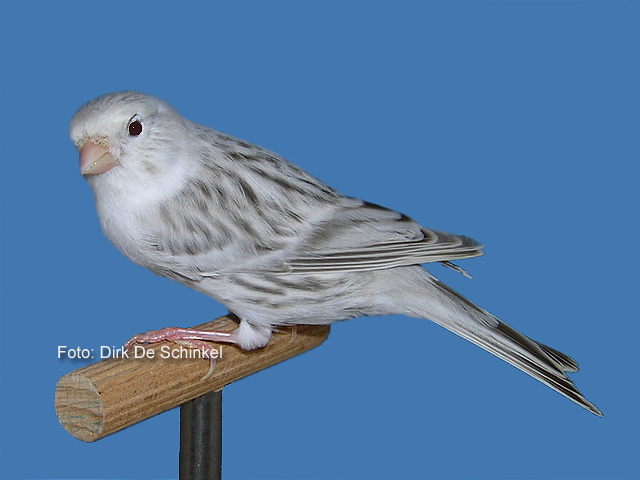
The Topaz: Wout van Gils GENERAL The effect of the topaz factor is mainly reflected in the reduction of the black eumelanin present, which we also only find in the …
De Satinet: Wout van Gils. A GENERAL. With this mutation, the black eumelanin is completely prevented from developing, the phaeomelanin partially, which gives a reduced brown-beige striping. The reduction of …
The Opal: Wout van Gils. GENERAL The special feature of the opals is in fact the reverse melanization. In all known color varieties, the melanin is most visible at the …
The Phaeo: GENERAL. With this mutation, the black or brown eumelanin is prevented from developing. The brown phaeomelanin remains untouched. This creates the typical phaeopattern (=inomutation). Only with the maximum …
***IMG0__ The Greywing only for connoisseurs. In our canary world there are various color varieties, all the color varieties can generally be admired at our TT, and are found somewhere …
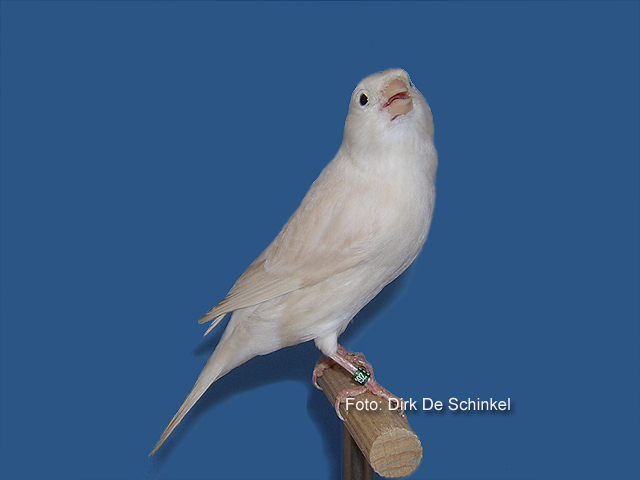
Classic melanin in the Isabel series. The pastel. Wout van Gils. General The color canaries belonging to this pigment group possess the first reduction factor, which is responsible for the …
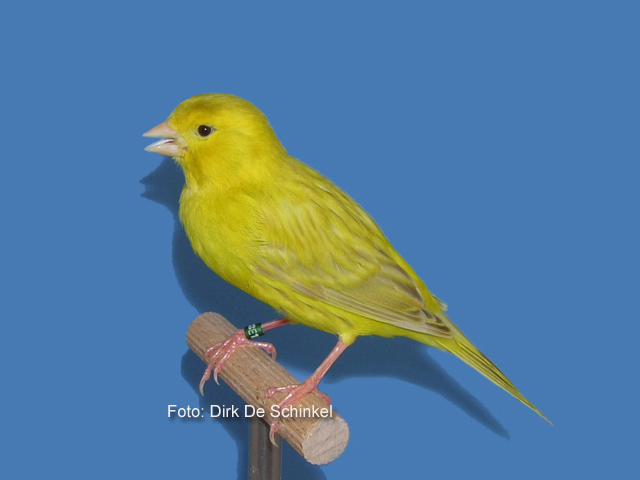
Classic melanin in the Isabel series. General Wout van Gils. The color canaries belonging to this pigment group possess the first reduction factor, which is responsible for the reduction of …
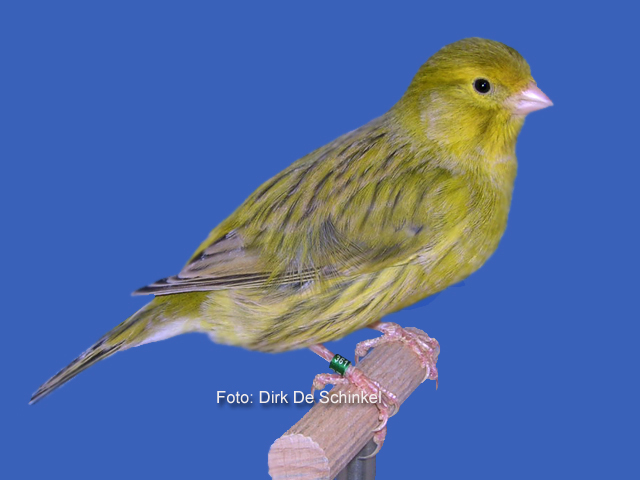
Classic melanin in the agate series. General. Wout van Gils. The color canaries belonging to this pigment group possess the first reduction factor that is responsible for the reduction of …
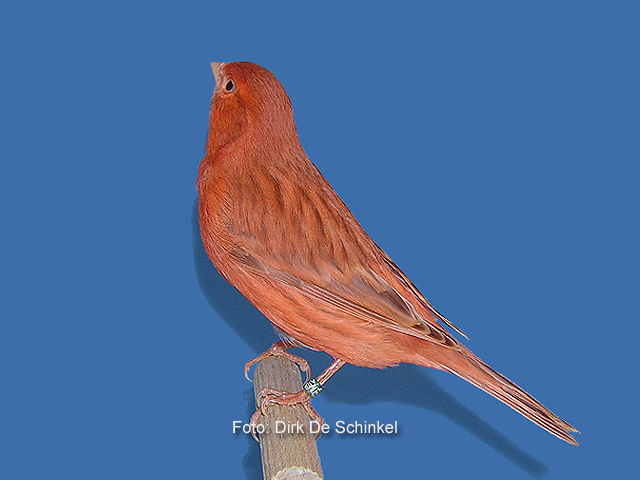
Classic melanin in the brown series . Wout van Gils. General The color canaries belonging to this pigment group will have maximum brown eumelanin and brown phaeomelanin. The dark brown …
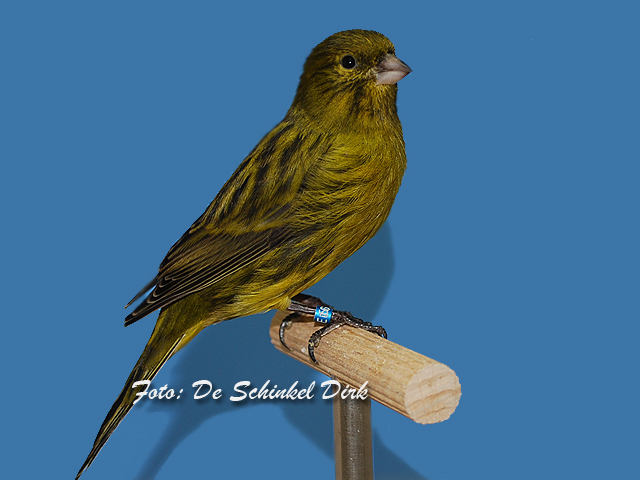
The classic melanin in the black series. Wout van Gils. General (Note the drawing pattern) The color canaries belonging to this pigment group will have maximum black eumelanin and brown …
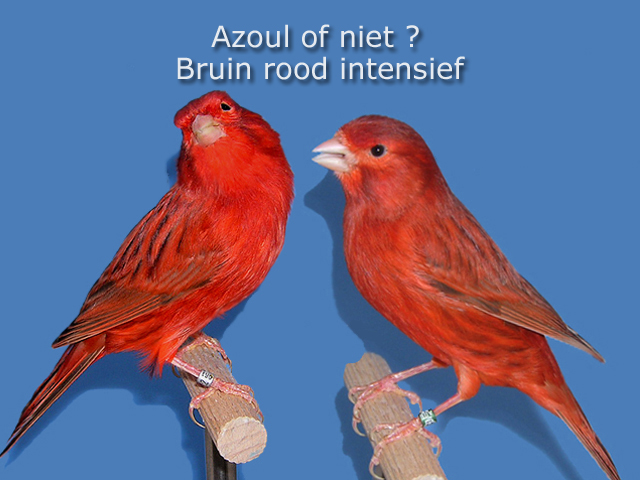
Note Drawing pattern Black / Brown series! Wout van Gils.
IMG0_ *The 4 Classical Melanins: Wout van Gils. General . This group includes the four basic series (black, brown, agate & isabel series). These four basic pigment groups can occur …
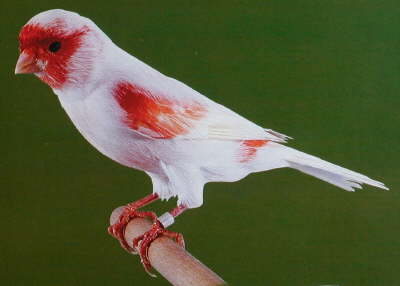
Perennial mosaics. At the last general meeting for color canary judges in Roosdaal on May 12, 2001, the problem of pen coloring in perennial mosaics was extensively discussed. There were …
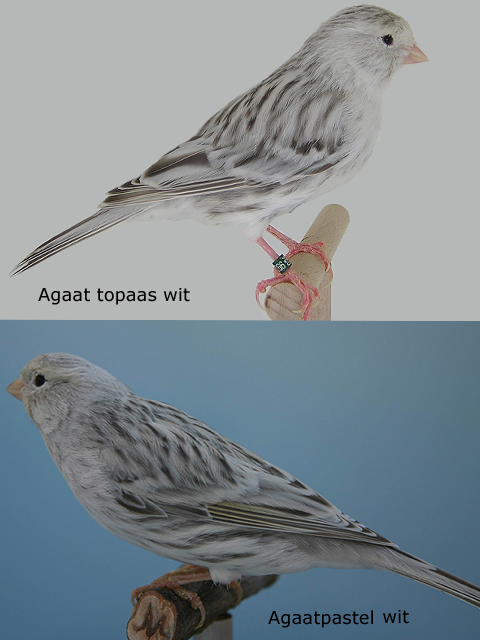
From Technical Committee Color Canaries A.o. B 01-11-2001 The Agate white and Agate pastel white. The new agate white brings us a beautiful bird. We have been breeding for a …
Canary as a show bird...training a must! (French Beguine) Experience scribbles for the benefit of novice enthusiasts and relatives (Submitted ) Introduction: I posted the considerations below upon request earlier …
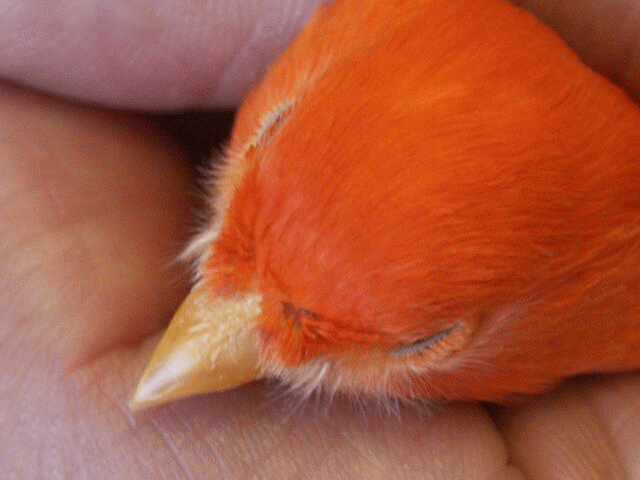
---------------------------------------------------------------------------------------------------------------- Red canary bird with red horn parts, who knows anything more about it? Since I have heard about them for some time, I now have photos of these birds …
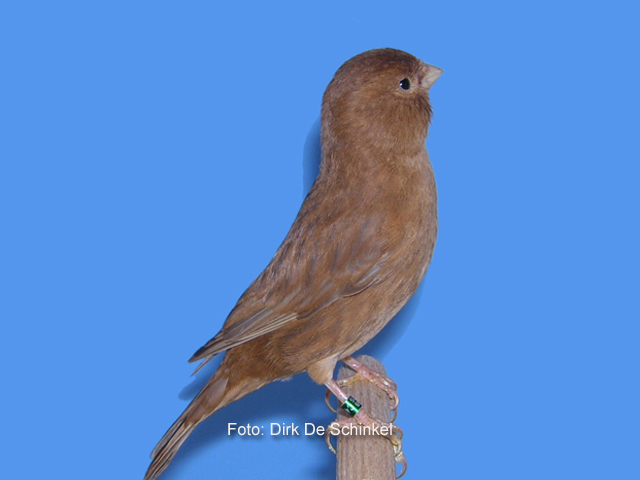
***IMG0__ New standard What do I think? wout van Gils. Since various associations announced that they would accept the new standard requirements of the color canaries, in particular the size …
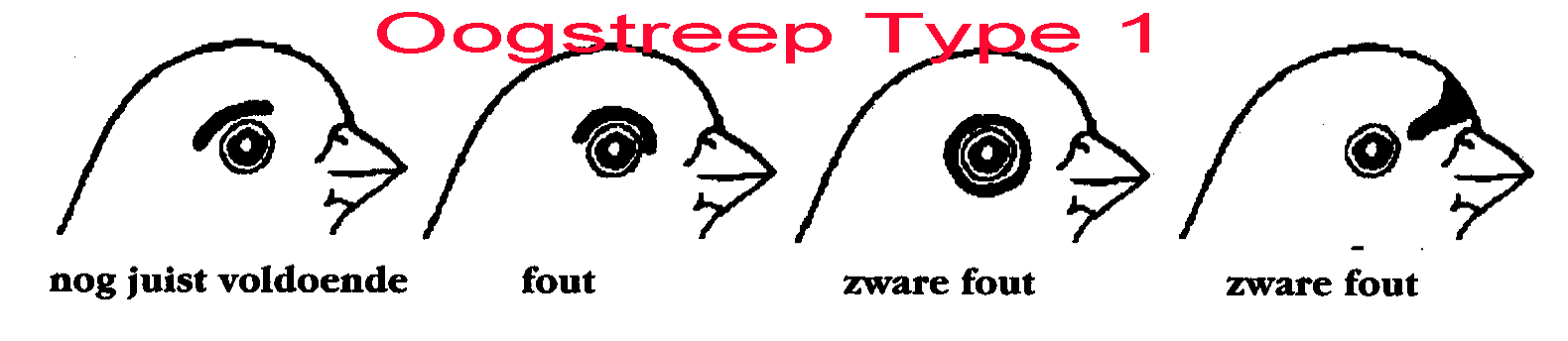
The Head drawing Mosaic Type 1: (The doll) wout van Gils. With these birds there is still some uncertainty about the head markings, how they should actually be, hence this …
Performance Red mosaics: Wout.van. Gils Performing the Rood Mozaïek really requires knowledge and insight, paying close attention, the right ratio and also starting at the right time is the message. …
Performing Yellow Canaries: A Manual by Introduction: Questions are regularly asked about feeding yellow canaries: why feeding, how do you do it, how long, which product? You might think: just …
Canary (Albino) with Black and Red Eye! Breeding result Wout van Gils... On May 20, 2009 I did a nest check. Of the four eggs, 2 had hatched. What immediately …
Timer schedule for breeding color canaries. At the start of your breeding, there are several ways to prepare your birds — which must be at least 9 months old — …
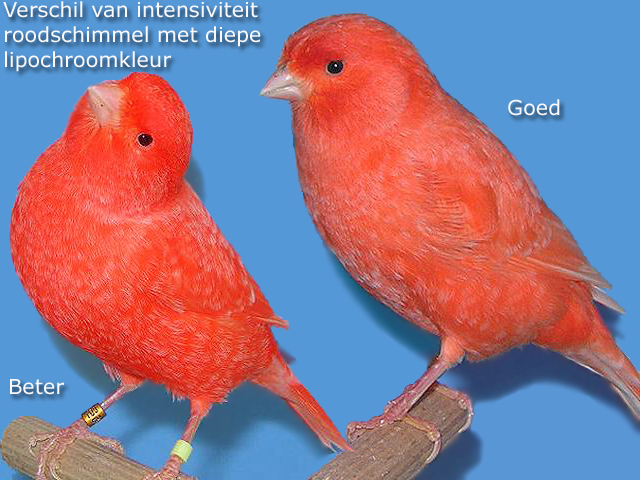
Red performance of canaries. A well-thought-out approach is indispensable when staging canary birds. In recent years, the requirement has been that not only the wing feathers, but also the tail …
The moult of young and perennial canary birds - Part 6 Moulting is a crucial moment in a bird's life. As a breeder you must be extra alert to this …
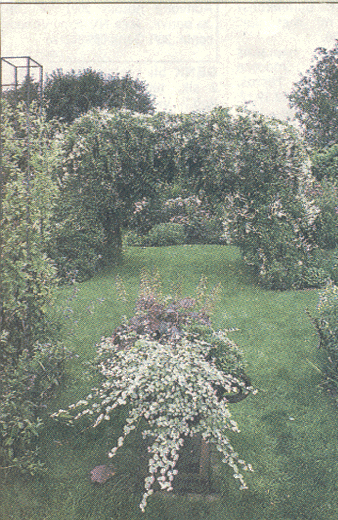
Black horn parts in canaries: (then bridal veil) Every canary breeder who breeds according to the standard knows that canaries from the black series must have black horn parts: legs, …
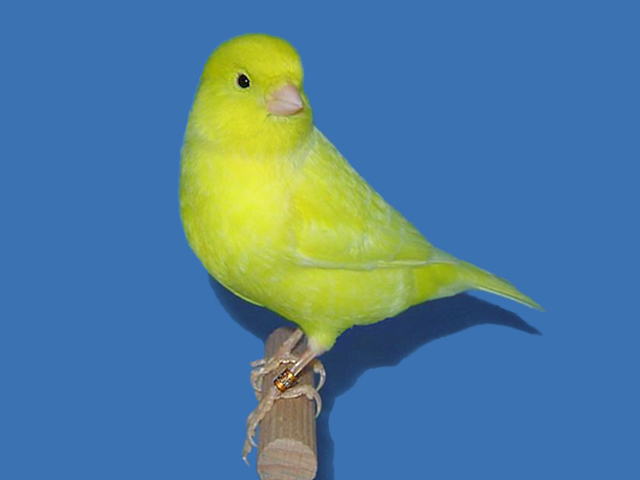
Canary Yellow. This phrase sounds familiar to most growers. Novice enthusiasts will definitely have to deal with it. TT players immediately know what I'm talking about. It is clearly described …
THE CLASSIC MELANIN CANARY. Wout van Gils A. The melanin property penetrates to the skull. B. The drawing extends to the face in the BLACK and BROWN series. C. Cheeks …
The correct naming (parts) of our canary birds W. v. Gils. The names of the parts of our canary birds are known to most fanciers, but there is sometimes confusion …
THE MOSAIC CANARY Wout van Gils THE ORIGIN AND DEVELOPMENT: The mosaic canary was created by breeding the hooded siskin. As far as I have been able to learn, this …
Inspection recommendations ONYX Color Canaries Proposal by inspectors association A.N.B.v.V. February 1997, GENERAL. Technical inspection instructions. Melanin: Due to the onyx factor, phaeomelanin is no longer present in the feathering …
Black horn parts on the canary - and the bridal veil Wout van Gils — Judge AoB/COM Every canary breeder who breeds according to the standard knows that birds in …
Canaries and the length of the feathering Introduction No article about canary birds without mentioning the length of the feathers. Is it that important? The answer is clear and obvious: …
Dyes and their effect Our birds have properties that are completely different from those of other animals. The way they move is completely different, their song is not found in …
Intensive and non-intensive Two concepts that every canary breeder knows well — and should know well — because how you deal with them has a direct influence on the breeding …
Ino's in the fat series Introduction We have seen this bird species emerging more and more in recent years — not only in canaries, but also in other bird species. …
The yellow canary: easy to breed? The yellow canary is, after the white, the most common bird at our exhibitions. Especially at major competitions and international exhibitions one sees large …
Carotenoid dyes Yellow fat — also called xanthophil — is the dye that ultimately determines the appearance of a black-and-yellow canary. It is also a pigment color, but of a …
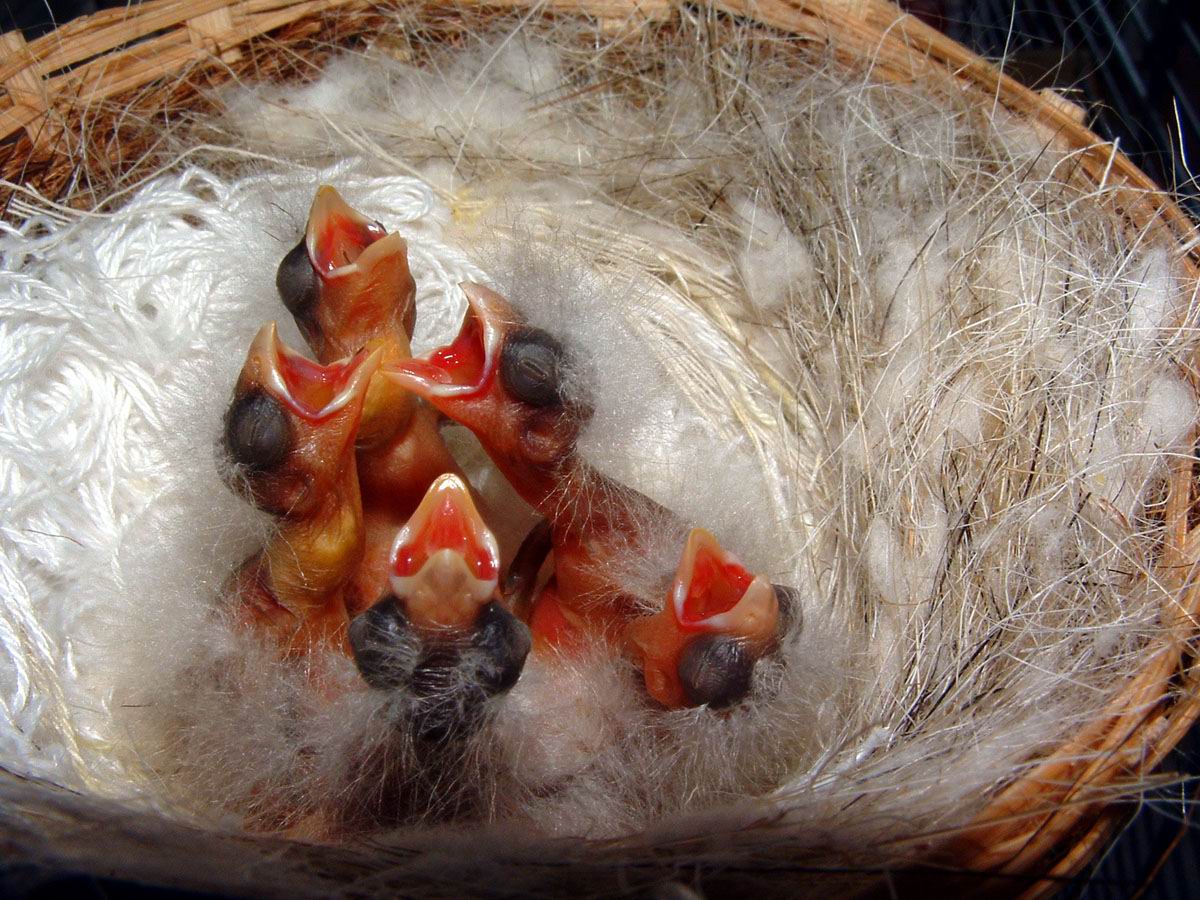
Inheritance and reproduction Introduction The beginnings of genetics are so far behind us that it can no longer be traced. However, we can imagine that in earlier centuries people mainly …
Variegation in our color canaries: what do we do with it? Most canary breeders know all too well what is meant by colorfulness. Our exhibition breeders in particular are confronted …
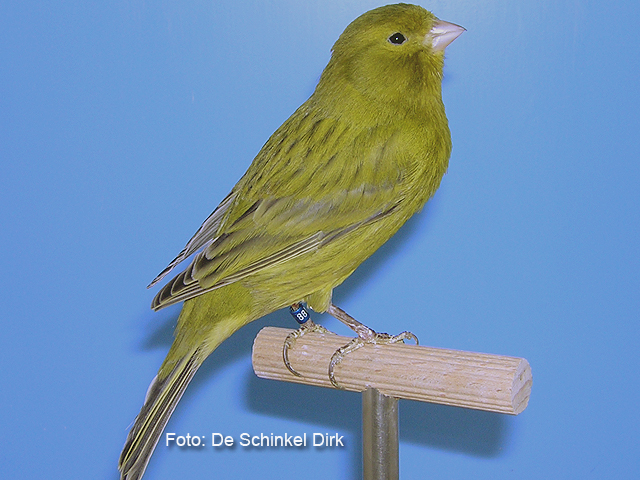
The blue factor: yes or no? Introduction We canary breeders know a large number of color varieties. All these color varieties owe their appearance to a combination of colors, with …
Black and white We don't see this bird very often either - and yet they are very prominent in some regions. Rightly so, because a steel blue bird is a …
The black and red canary Now that we have discussed the other species in the black series in previous articles, I would also like to briefly discuss the black and …
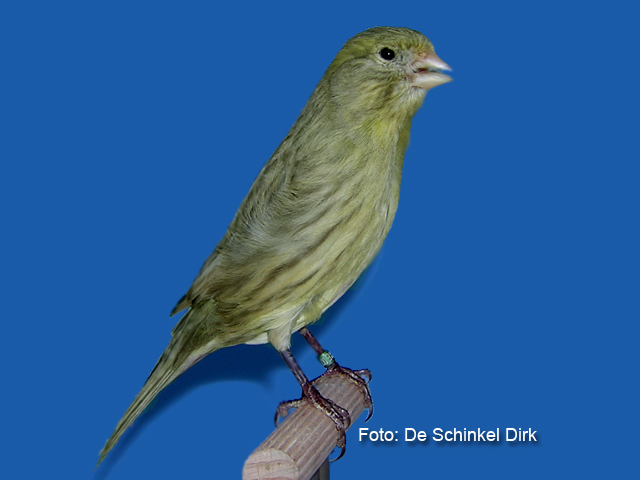
The black-yellow-ivory After my article about the black-yellow intensive, I cannot avoid writing something about the black-yellow-ivory. This bird is not seen very often, but I would recommend that many …
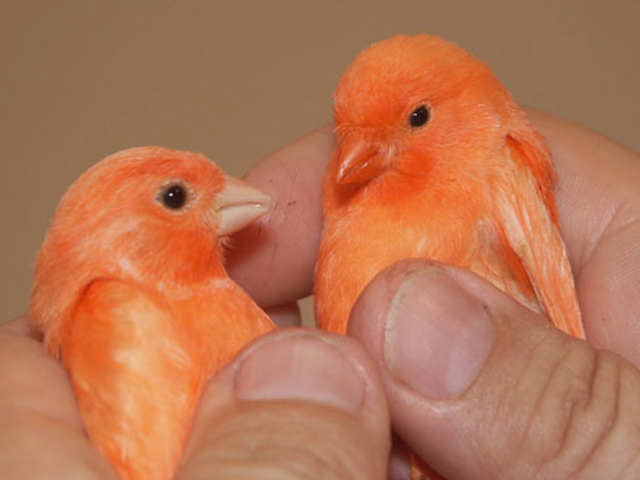
Red canary with red horn parts Red canary bird with red horn parts — who knows more about this? I had heard about them for some time, and now I …
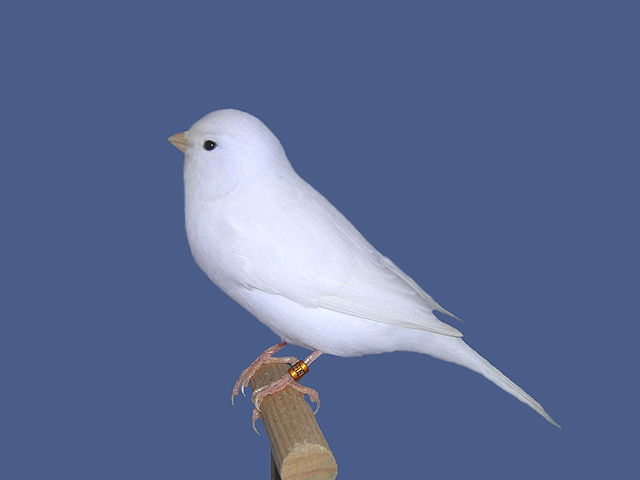
The dominant white canary This canary color has a very long history — it was created more than three centuries ago. It also took quite a long time before she …
The satimet canary These birds have been around for much longer, but in recent years they have become increasingly popular - and fortunately this also applies to the opal white. …
The red intensive Many breeders consider this to be the most beautiful color among the color canaries — although opinions will continue to differ. But one thing is certain: it …
The recessive white canary Everyone knows this bird, and many enthusiasts enjoy breeding it. Exhibition visitors also regularly reflect on it — a well-groomed recessive white canary is always a …
The pastel factor The pastel factor originated around 1957. Through selective breeding, stock breeding and accurate recording of inheritances, what we now consider normal has gradually emerged: the pastel factor, …
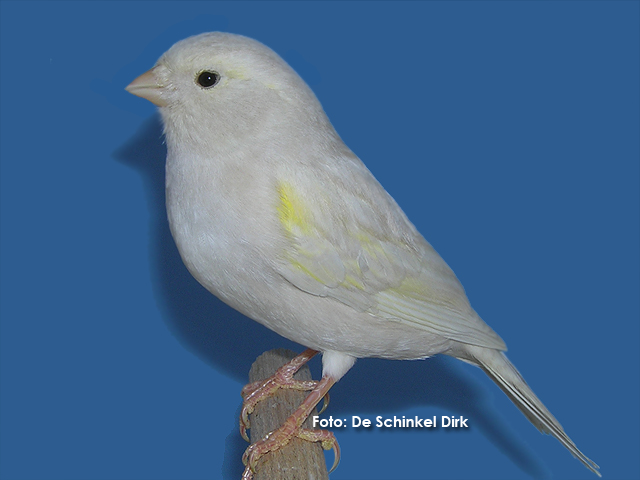
The opal canary Introduction Although the opal canary has been around for decades, it is only in the last decade that this bird has gained significant traction among canary breeders …
The mosaic canary Its origins and development This variety was created by breeding the hooded siskin. As far as I know, this dates back to around 1942. The further development …
Beautiful but not easy: the lutino. Introduction Anyone who knows me knows that I have a preference for fat birds — especially those with red eyes. Despite the realization that …
The isabel yellow. The Isabel is one of the first mutations bred in the Netherlands — by a certain Mr. Bright. It can be said that an Isabel is a …
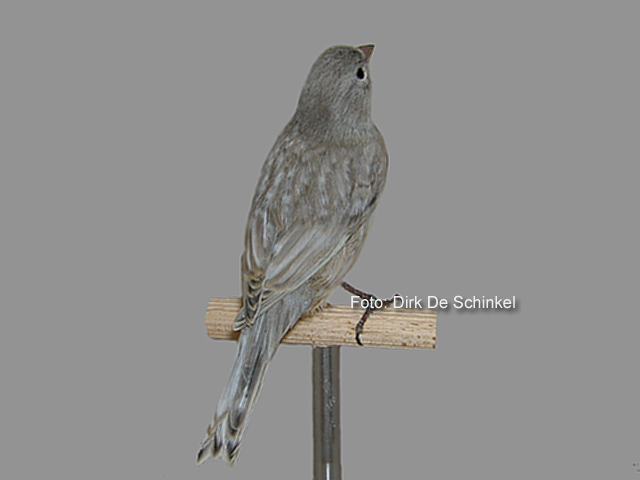
The gray-winged factor: only for connoisseurs. In our canary world there are many color varieties, and they are usually all represented at our exhibitions. However, the gray wing (grey wing) …
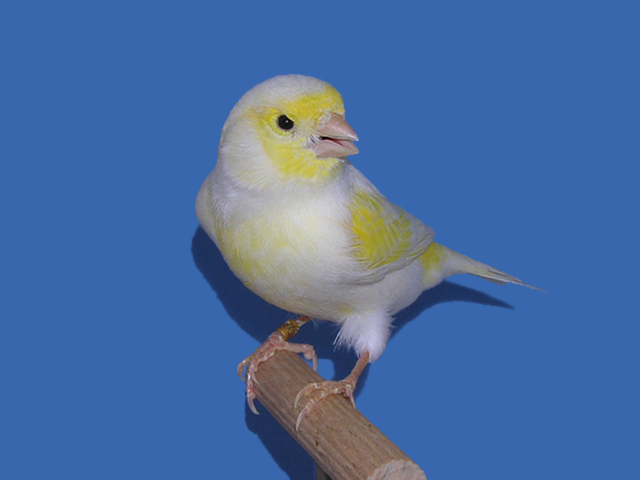
Yellow mosaic type 2. Introduction One of the canary birds that I like to see and breed successfully is the Yellow Mosaic. As is known, there are two types: type …
The yellow mosaic type 1. Introduction One of the canary birds that I enjoy watching and breeding successfully is the yellow mosaic. As is known, there are two types: type …
The brown factor. Introduction These birds are easily recognizable to everyone and will pose few problems in terms of identification, but are still often bred with errors. Many enthusiasts contact …
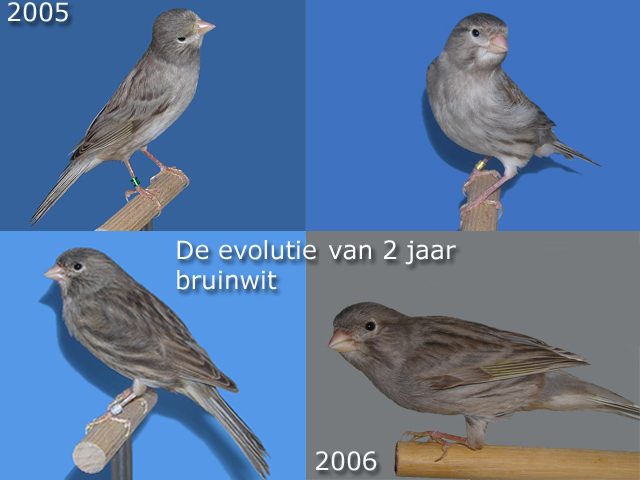
Brown white The brown canary is one of our oldest mutations and clearly recognizable to everyone. The brown canary has two different brown pigments: brown eumelanin and brown phaeomelanin. A …
Agate opal with red ground color Some birds are rarely seen, even at major shows in Belgium or worldwide. One of these is the agate opal in red. Opals have …
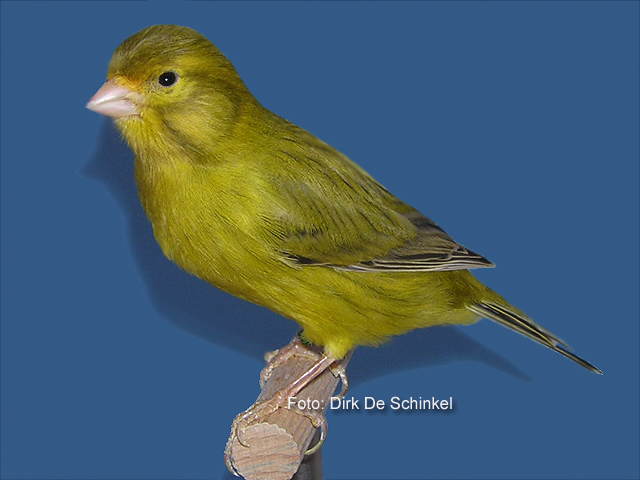
The agate, also known as the first reduction factor, is a diluted form of black-yellow. This thinning mainly affects the tips of the contour feathers and the large pins. This …
Agate Red Mosaic. The pigment of an agate red mosaic is the same as that of the regular agate. The pigment color is gray-black and should start from the beak …
Brown and/or black fur with recessive white: No trace of fatty substance color is present in the recessive factor. It is actually a defective factor. What's going on here? Because …
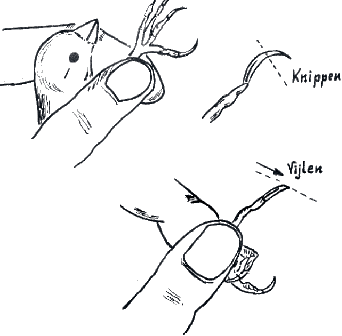
Faults on the horn parts of canary birds: Normally there is not much to say about the horn parts of our canary birds. They are not particularly striking in color: …
Where have they gone — THE YELLOW MOLDS? For most breeders, the yellow roan is not an exhibition bird, and therefore it is not always purposefully bred — despite the …